How to Reduce Fleet Fuel Costs in the UK: A Practical Guide for 2026

Last updated: 2026 | Reading time: ~5 minutes
Table of Contents
Fuel is one of the biggest line items in any UK fleet operation. And while prices have eased slightly from their 2022 peak, they remain stubbornly high – and unpredictable. If you manage a fleet of any size, that volatility is a risk you can’t afford to ignore.
As of March 2026, the average price of petrol in the UK sits at 144.8p per litre, with diesel at 166.1p per litre (source: Fuel Finder UK). For businesses running multiple vehicles day in, day out, that translates directly into pressure on margins – pressure that only grows as routes become less efficient.
This post breaks down the current fuel price landscape and explains the practical steps you can take – today – to start reducing your fleet fuel costs.
The Fuel Price Picture: Where We Are in 2026

Fuel prices in the UK have moderated compared to the record highs of 2022 (when diesel briefly approached £2 per litre), but they are far from affordable. According to GOV.UK weekly fuel price data, prices ticked up again at the end of 2025 – with petrol rising 1.6p and diesel 2.0p per litre in December alone.
The story behind the numbers is one of persistent uncertainty: geopolitical tensions, OPEC supply decisions, global demand fluctuations, and the ongoing Ukraine conflict all feed into the crude oil price that ultimately determines what you pay at the forecourt.
⚡ Diesel is currently 166.1p per litre – around 21p more expensive than petrol. For a diesel-heavy fleet, every extra mile driven is money left on the table.
Fuel duty also adds complexity. As of Spring 2025, duty is frozen at 52.95p per litre – making up around 36% of the total price at the pump (source: Quarterly Energy Prices, GOV.UK). Any future duty increase – widely expected as EV adoption erodes fuel duty receipts – will push costs even higher for diesel fleets.
Why Fuel Costs Hit Fleet Businesses Hardest
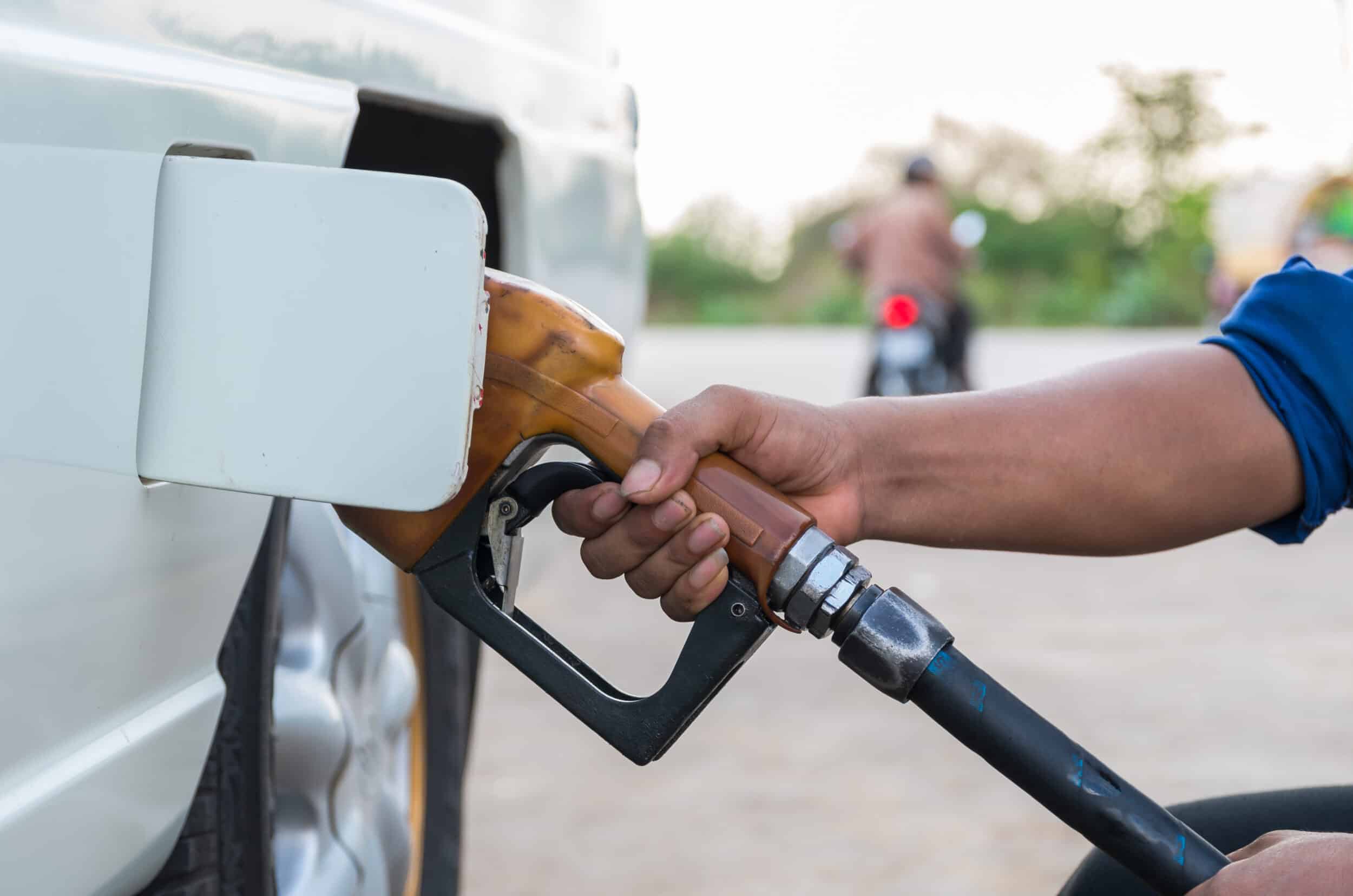
For private motorists, fuel is an inconvenience. For businesses that rely on vehicles – distributors, field service operations, food and drink suppliers, construction firms – it’s an existential cost pressure.
Industry data consistently shows that fuel represents 25-35% of total operating costs for fleet-dependent businesses (source: Autosist Fleet Fuel Management Guide). In fuel-intensive sectors like logistics and construction, it can be even higher.
⚡ Fuel accounts for up to 35% of fleet operating costs. When prices spike, that squeeze on margins is almost immediate.
The challenge is compounded by the fact that fuel spend often feels fixed – drivers have to get from A to B, deliveries have to be made. But that assumption is wrong. A significant proportion of fuel spend is directly controllable, and the lever that makes the biggest difference is the efficiency of your routes.
The Most Effective Way to Reduce Fleet Fuel Costs: Smarter Routing
Reduce the miles you drive – without reducing the work you do
The single most impactful thing a fleet business can do to reduce fuel spend is to cut unnecessary mileage. Not by doing fewer jobs – but by doing the same jobs more efficiently.
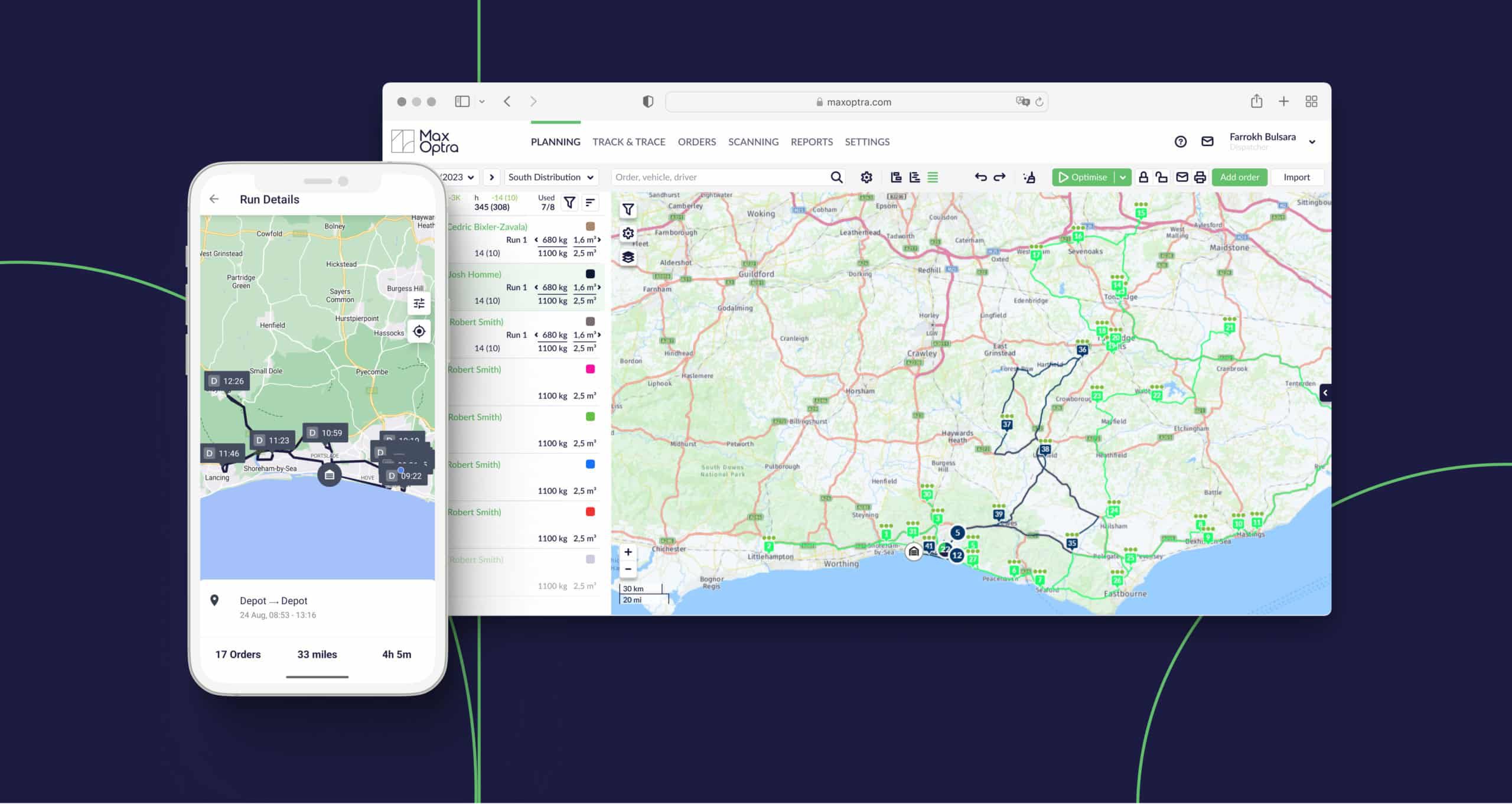
Route optimisation software calculates the most efficient sequence and path for every driver, every day – factoring in traffic conditions, delivery time windows, vehicle capacities, road closures, and more. The result is routes that are shorter, faster, and cheaper to run.
⚡ MaxOptra’s route optimisation has been proven to reduce daily mileage by up to 20% – without reducing the number of drops or deliveries completed.
For a fleet running 10 vehicles covering 200 miles per day each, a 20% mileage reduction means 400 fewer miles driven every single day. At current diesel prices, that’s a significant saving – compounding week after week, month after month.
Use fewer vehicles – and cut every cost that comes with them
More efficient routes don’t just mean lower fuel bills. They often mean you can achieve the same output with fewer vehicles on the road – and every vehicle you remove from the fleet brings with it a cascade of savings:
– Vehicle leasing or purchase costs
– Insurance premiums
– Vehicle Excise Duty (VED)
– Maintenance and servicing
– Driver hours and associated employment costs
Route optimisation effectively produces more productivity from your existing assets – meaning you may not need to grow your fleet to grow your output.
Beyond Routing: Other Ways to Bring Fuel Spend Down
Driver behaviour matters more than you think
Aggressive acceleration, driving in low gears, excessive idling, and speeding all increase fuel consumption significantly. Research shows that improving driver behaviour alone can cut fuel consumption by 10–30%. Smart fleet management tools – including MaxOptra’s driver app – give managers visibility of driving patterns so they can coach drivers and embed more fuel-efficient habits across the team.
⚡ Improving driver behaviour – smoother acceleration, less idling, better gear use – can reduce fuel consumption by up to 30%.
Keep vehicles in top condition
Under-inflated tyres, poorly serviced engines, and clogged air filters all increase fuel burn. Regular maintenance isn’t just about avoiding breakdowns – it’s a genuine fuel-saving strategy. A well-maintained fleet runs leaner.
MaxOptra’s built-in vehicle checks feature makes it easy for drivers to complete digital walkaround checks before every shift – flagging issues like tyre condition or fluid levels before they become costly problems. It’s a simple habit that keeps vehicles running efficiently and helps protect your fuel economy day to day.
Plan for real-world conditions
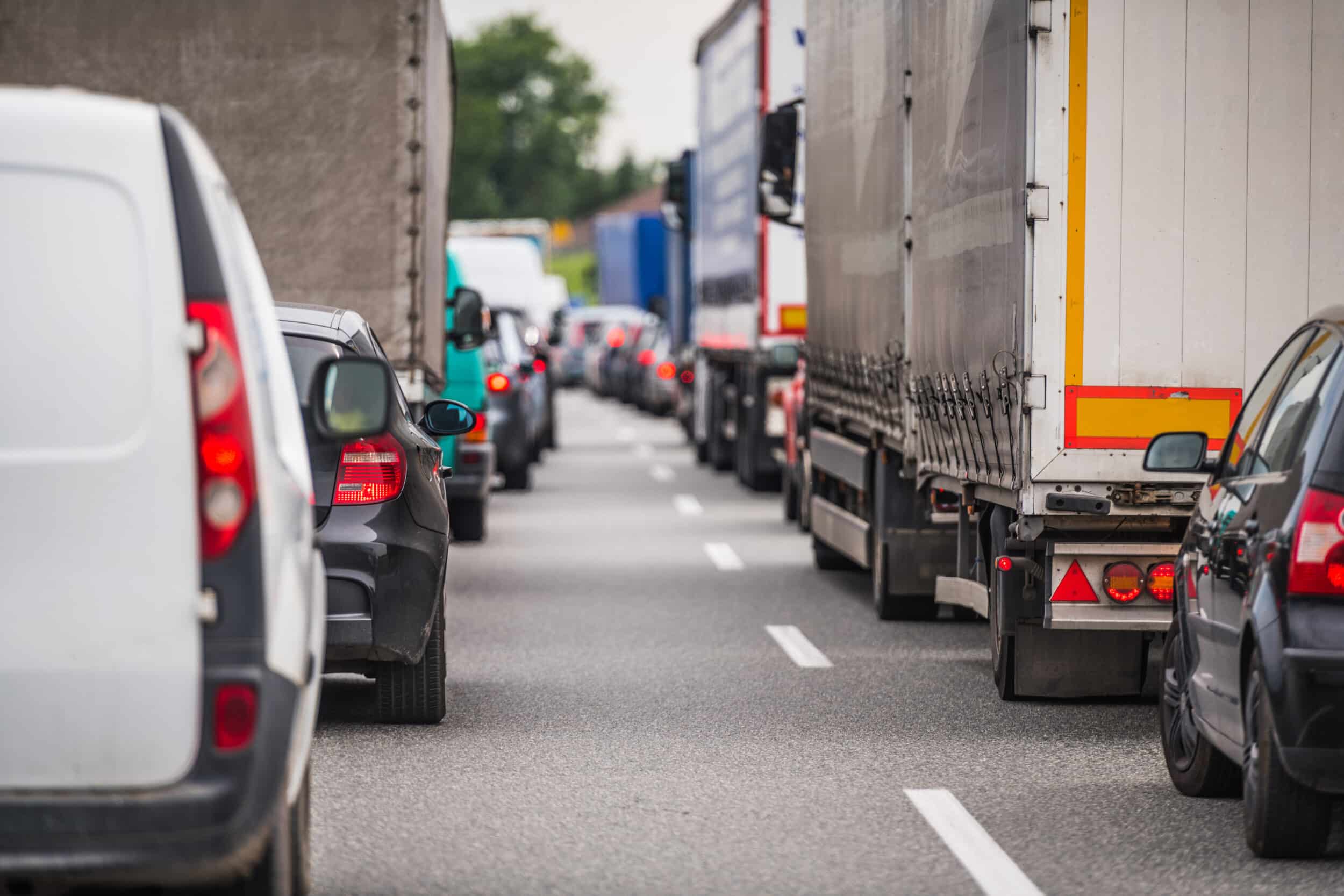
Traffic jams don’t just frustrate drivers – they burn fuel. A vehicle stuck in congestion is consuming fuel while going nowhere. Dynamic routing tools that respond to real-time traffic data help drivers avoid the situations that waste the most fuel, keeping vehicles moving and costs down.
The Business Case for Acting Now

There’s a temptation to view fleet fuel costs as a cost of doing business – something to absorb and pass on through price increases. But in today’s competitive environment, that approach carries real risk.
Passing fuel costs on to customers can cost you business. Absorbing them erodes your margins. The only sustainable answer is to get more efficient – and the fastest, most measurable way to do that is through route optimisation.
The return on investment from route optimisation software is typically rapid. Mileage savings, reduced fuel spend, lower vehicle wear, and improved driver productivity all contribute to a payback that most businesses see within months.
⚡ With diesel at 166p per litre, a 20% reduction in mileage across a 10-vehicle fleet could save thousands of pounds every month – money that goes straight back to the bottom line.
How MaxOptra Helps Businesses Beat Fuel Costs

MaxOptra is a route optimisation platform designed specifically for businesses that run multi-stop delivery or field service operations. It’s used across industries, including distribution, food and drink, furniture and flooring, and field service.
Here’s what it delivers:
– Automated route optimisation that builds the most efficient routes in seconds, factoring in time windows, vehicle capacity, driver hours, and live traffic
– A driver app that gives real-time visibility of progress, exceptions, and proof of delivery
– KPI reporting and analytics to track mileage, fuel spend, and performance over time
– Customer communication tools to keep recipients informed – reducing failed deliveries, which cost money in repeat runs
Our customers have consistently demonstrated that route optimisation pays for itself – typically many times over – through fuel savings alone. And that’s before the wider operational benefits are factored in.
Ready to Take Control of Your Fuel Spend?
Whether fuel prices rise, fall, or stay where they are, the businesses that will come out ahead are the ones running the tightest, most efficient operations. Route optimisation is one of the most direct and measurable investments you can make.
Talk to the MaxOptra team today to find out how much you could save. Book a demo here – and see the difference smarter routing can make.
Fuel Prices FAQ
What are the current UK diesel prices for fleet operators?
As of March 2026, the average UK diesel price is 166.1p per litre, with petrol at 144.8p per litre (source: Fuel Finder UK). Prices vary by region and can shift week to week, so the most resilient strategy is focusing on reducing the miles you drive rather than waiting for the market to move in your favour.
How much of my fleet operating costs does fuel typically represent?
For most fleet-dependent businesses, fuel accounts for 25–35% of total operating costs – making it one of the biggest and most controllable levers for improving profitability.
How does route optimisation actually reduce fuel spend?
By calculating the most efficient sequence and path for every driver every day, route optimisation removes unnecessary mileage from every route – and fewer miles driven means less fuel burned. MaxOptra customers have seen daily mileage reductions of up to 20%.
Can route optimisation help me run fewer vehicles?
Yes – when routes are properly optimised, the same volume of work can often be completed with fewer vehicles on the road, eliminating not just their fuel costs but also insurance, VED, maintenance, and leasing costs.
What driving habits waste the most fuel?
Harsh acceleration, driving in low gears, excessive idling, and speeding are the biggest culprits – and research suggests that poor driver behaviour can increase fuel consumption by as much as 30% compared to smooth, efficient driving.
How do vehicle checks help reduce fuel costs?
Under-inflated tyres, dirty air filters, and poorly maintained engines all quietly increase fuel burn. MaxOptra’s vehicle checks feature builds digital walkaround checks into drivers’ pre-shift routines, so issues get caught and fixed before they start costing you money.
Will fuel prices come down in 2026?
It’s impossible to predict with confidence – prices are subject to sudden movements from geopolitical events, OPEC decisions, and exchange rate shifts, so the smartest approach is to build an operation efficient enough to absorb volatility whatever the market does.
How quickly will route optimisation pay for itself?
For most businesses, the payback period is measured in months rather than years, with fuel savings alone often covering the cost of the software. Talk to the MaxOptra team and we can model the likely savings based on your specific fleet size and operations.
Sources & Further Reading
GOV.UK Weekly Road Fuel Prices | Fuel Finder UK – Live Price Index | RAC Fuel Watch | Fleet News Fuel Prices | Quarterly Energy Prices – GOV.UK
Maxoptra System
© MaxOptra, 2023. Privacy Policy and Cookies